Oct 12,2026.
Bangladesh Approves 442 MW Solar-Plus-Storage Project: Structural Requirements for Utility-Scale Ground Solar Mounting Systems | Art Sign
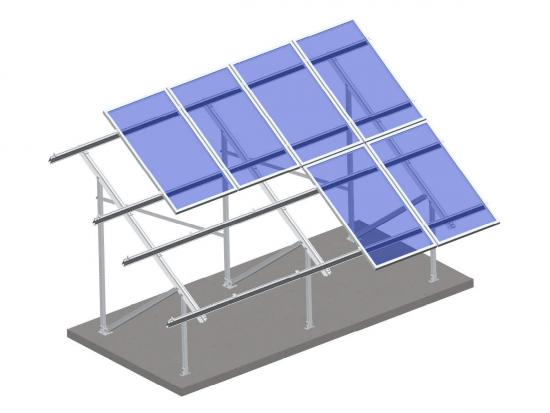
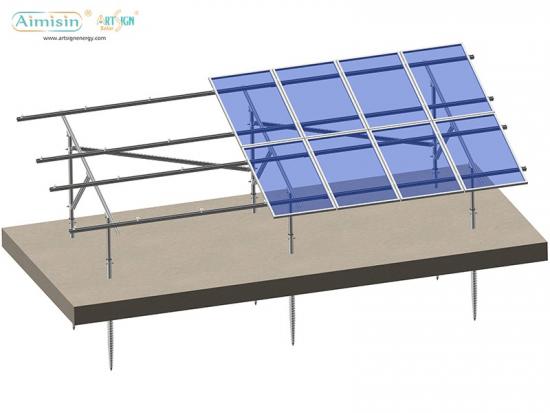
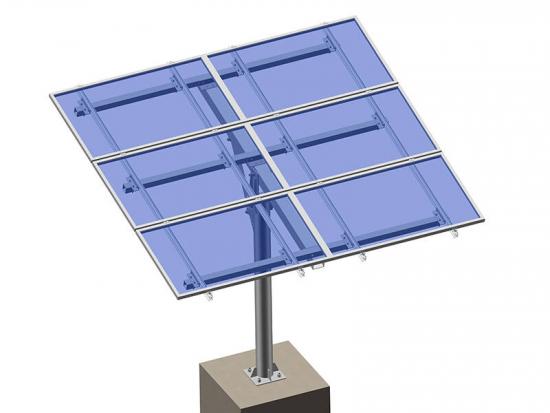
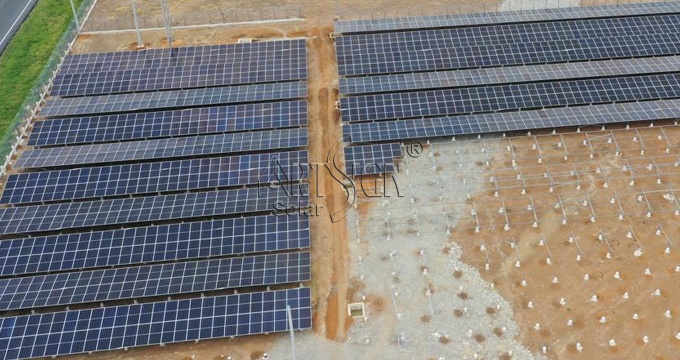
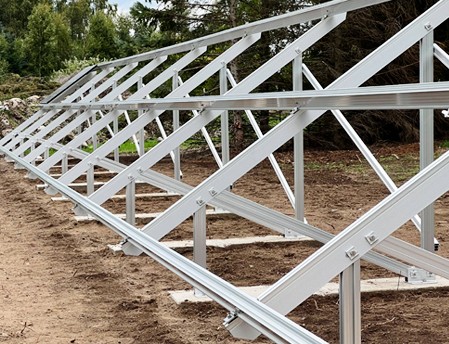
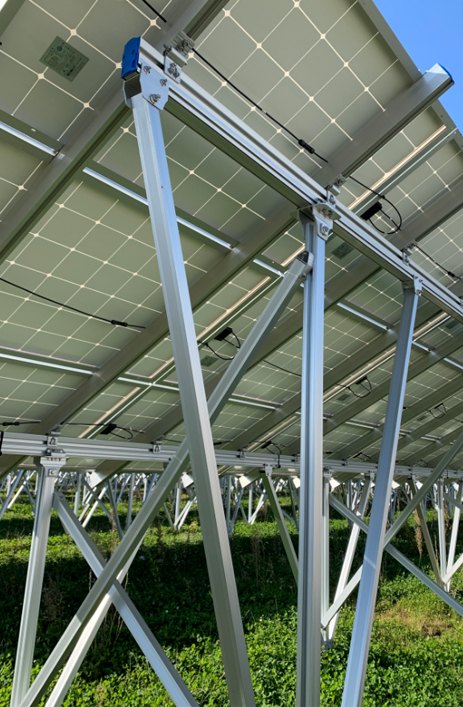
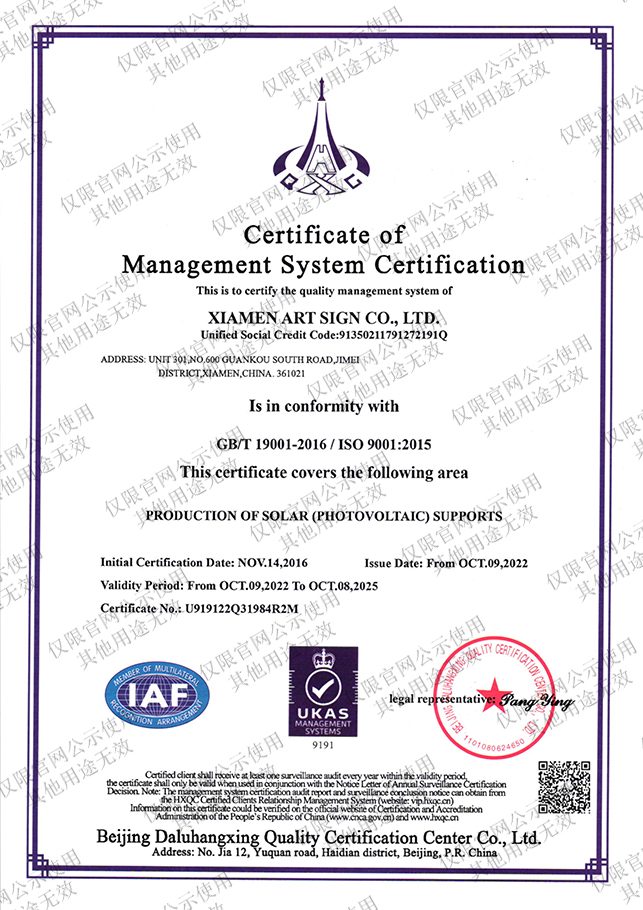
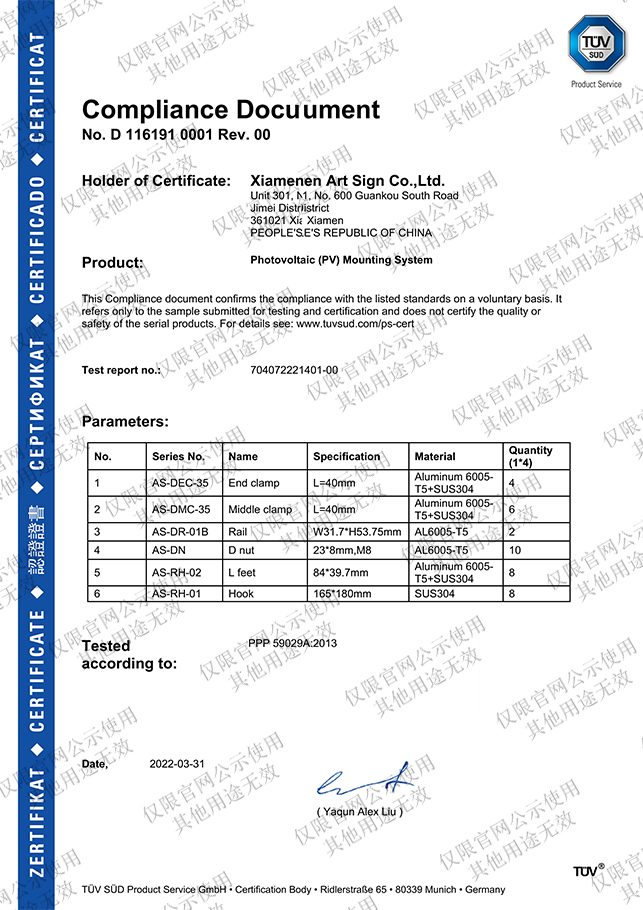
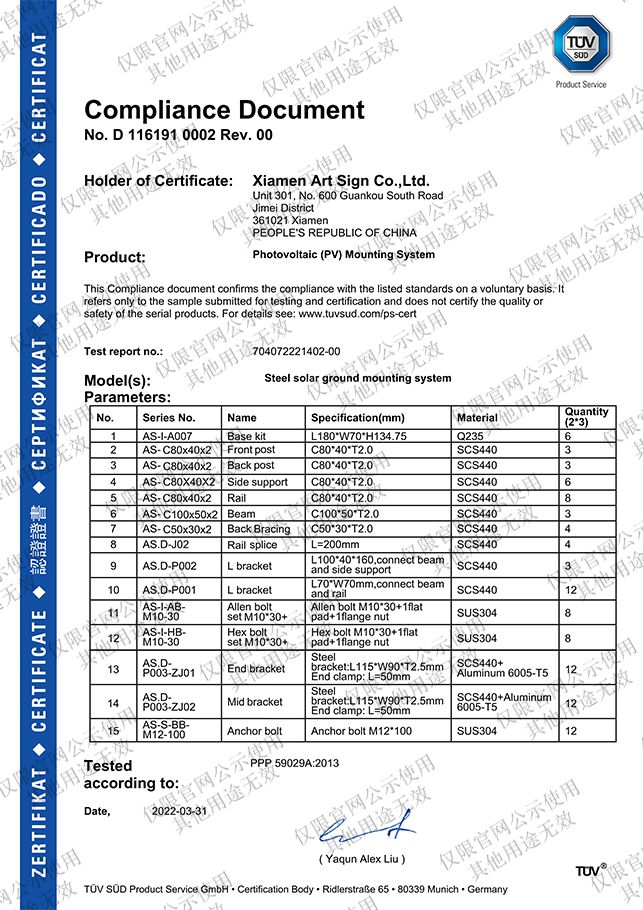
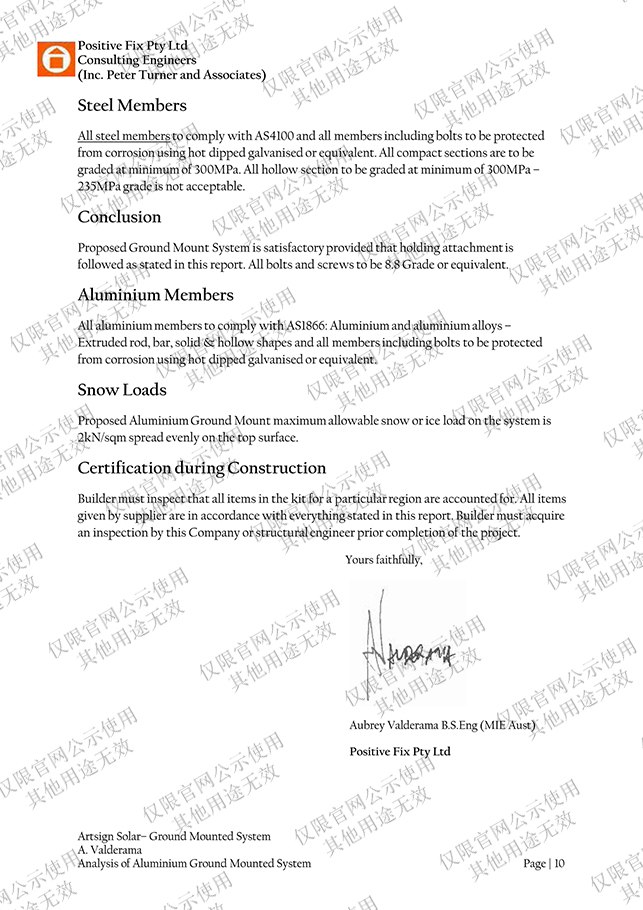
XIAMEN, CHINA – October 08, 2026 – Bangladesh has approved a 442 MW grid-connected solar power project with battery energy storage in the Bagerhat region, near the Rampal power facility. The project is being developed under the Bangladesh Power Development Board (BPDB), with an estimated investment of about BDT 25 billion (approximately US$200 million) according to PV magazine. As the country works toward its target of 20% renewable energy generation by 2030, the long-term reliability of utility-scale ground solar mounting structures has become a key factor for project durability and bankability. Large-scale solar installations in coastal and river-adjacent areas such as Bagerhat face demanding site conditions, including high humidity, saline exposure, soft soil layers, and seasonal extreme weather. To maintain structural integrity over decades of operation, EPC contractors and project developers need large-scale ground solar racking that is engineered for dynamic wind loads, corrosion resistance, and foundation adaptability. In these environments, selecting a corrosion-resistant solar mounting solution is not optional; it is a core engineering requirement that directly affects safety, O&M costs, and asset lifespan. As a manufacturer of solar mounting systems, XIAMEN ART SIGN CO., LTD. (Art Sign) designs engineered racking structures for utility-scale ground, rooftop, carport, and specialized PV installations. The company supports project teams with structural optimization, material selection, and foundation recommendations based on site-specific wind, snow, seismic, and geotechnical conditions. Critical Engineering Factors for Coastal Utility Ground Mounts Material and Anti-Corrosion Performance Coastal solar plants require materials that can resist long-term chloride and moisture exposure. Common solutions include hot-dip galvanized steel with a zinc coating thickness ≥ 85µm and anodized aluminum alloys such as AL6005-T5. Proper material selection helps reduce rust risk, maintenance frequency, and lifecycle replacement costs. Wind Load and Structural Stability Mounting structures should be verified through structural analysis and, where required, wind-tunnel or equivalent engineering assessments. Designs must account for local monsoon conditions, typhoon-level wind speeds (for example 60m/s wind load), module array layout, and terrain exposure to ensure safe performance throughout the project lifetime. Foundation Adaptability for Complex Soil Conditions Soil conditions near river basins and coastal zones may vary significantly across a single site. Suitable foundation options can include driven C/U steel posts, concrete bases, helical ground screws, or other customized solutions. Foundation design should be based on geotechnical reports to minimize settlement, uplift, and long-term displacement risks. Case study For a 1 MW coastal PV plant in Colombia commissioned in 2025, Art Sign supplied Zn-Al-Mg-coated ground racking engineered for site...
Oct 12,2026.