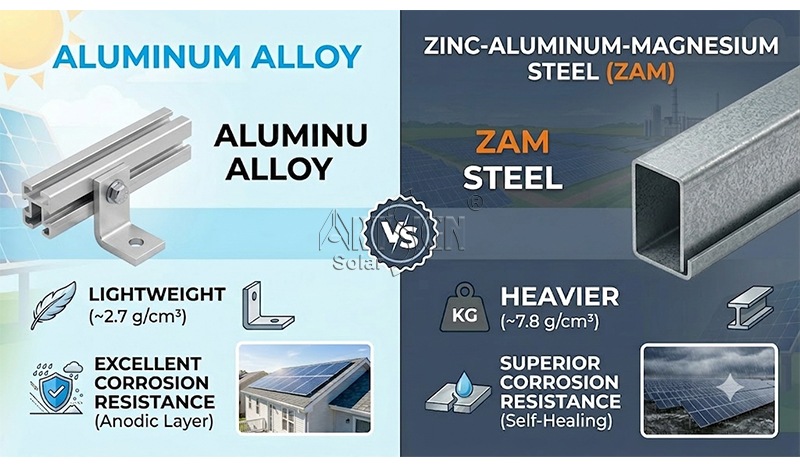
حاليًا، يميل سوق الطاقة الكهروضوئية العالمي إلى استخدام مادتين عاليتَي الأداء: سبائك الألومنيوم المؤكسدة (AL6005-T5) والفولاذ المطلي بالزنك والألومنيوم والمغنيسيوم (ZAM). وعلى الرغم من أن كليهما يتمتع بمقاومة ممتازة للتآكل ومتانة عالية، فإن أدوارهما في تطبيقات الهندسة العملية تختلف كثيرًا. سنحلل الفروقات بين هاتين المادتين الأساسيتين من منظور التصنيع والهندسة، ونقدم استراتيجيات دقيقة لاختيار المواد وفقًا لسيناريوهات المشاريع المحددة.
1. مقارنة سريعة للمواد: الألومنيوم مقابل ZAM
قبل التعمق في سيناريوهات التطبيق، من الضروري أن نفهم أولًا الاختلافات بين هاتين المادتين:
|
الميزة / الخاصية |
الألومنيوم المؤكسد (AL6005-T5) |
الفولاذ المطلي بالزنك والألومنيوم والمغنيسيوم (ZAM) |
|
الوزن |
خفيف الوزن للغاية (حوالي ثلث وزن الفولاذ) |
متوسط إلى ثقيل (كثافة إنشائية عالية) |
|
مقاومة التآكل |
ممتازة (بفضل طبقة أكسدة أنودية متحكم بها) |
استثنائية (بفضل طبقة كيميائية مستمرة ذاتية الإصلاح) |
|
القوة الإنشائية |
قوة شد عالية لتصميم مقاطع محسّنة |
قوة خضوع فائقة للأحمال العالية الناتجة عن الرياح والثلوج |
|
التعديل في الموقع |
سهل الحفر والقطع؛ لا يصدأ عند مواضع القطع |
الحواف المقطوعة ذاتية الإصلاح تحمي من الصدأ الأولي |
|
قابلية إعادة التدوير والقيمة |
قابل لإعادة التدوير بنسبة تقارب 100% مع قيمة خردة مرتفعة |
قيمة دورة حياة إنشائية عالية مع صيانة منخفضة |
2. الاختيار حسب السيناريو: أيهما يتفوق وأين؟
لا يوجد خيار "أفضل" بشكل مطلق؛ بل توجد مادة هي الأكثر ملاءمة لمشروعك. فيما يلي طرق اختيار المادة بناءً على سيناريوهات التطبيق المحددة:
السيناريو A: أنظمة تركيب الطاقة الشمسية على أسطح المباني السكنية والتجارية والصناعية
الفائز: الألومنيوم المؤكسد (AL6005-T5)
لماذا يهم ذلك: يواجه مشروع السطح قيودًا بسبب قدرة تحمل السطح للأحمال وارتفاع تكاليف العمالة المحلية. إن قضبان تركيب الطاقة الشمسية المصنوعة من الألومنيوم خفيفة الوزنلدينا يمكنها تقليل الحمل على الأسطح المعدنية أو الأسطح المكسوة بالبلاط. بالإضافة إلى ذلك، تصل قضبان XR وقضبان D ومشابك الألواح الشمسية المجمعة مسبقًا(بما في ذلك المشابك الوسطية والمشابك الطرفية) من المصنع جاهزة بنسبة 100% للتنفيذ، مما يجعل التركيب في الموقع أسرع، ويوفر تكاليف العمالة، ويلغي الحاجة إلى استخدام أدوات مفرطة.
نوع تركيب السقف
صورة المنتج
حالتنا
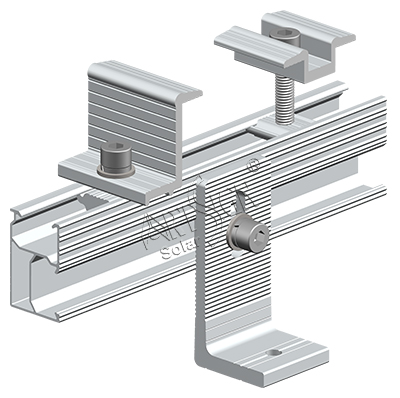
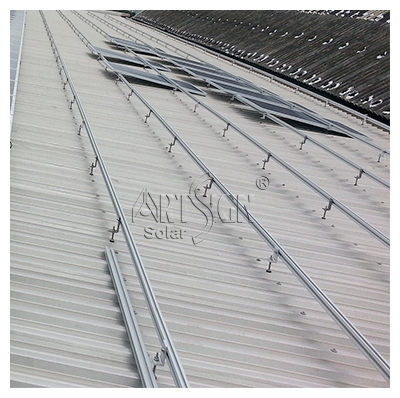
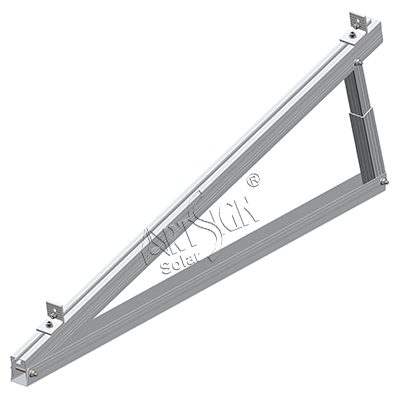
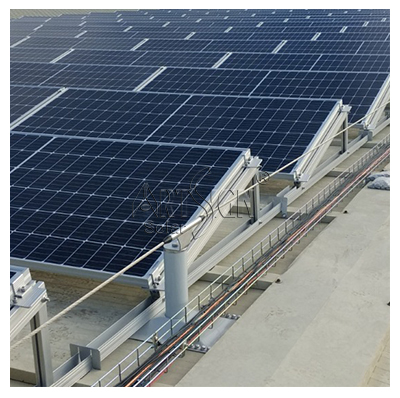
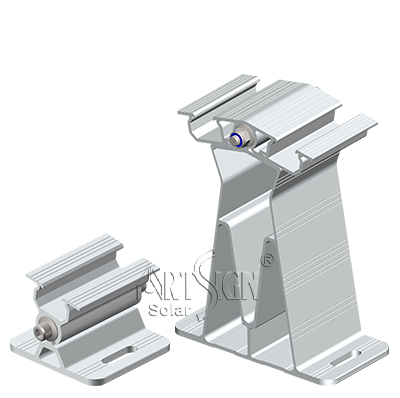
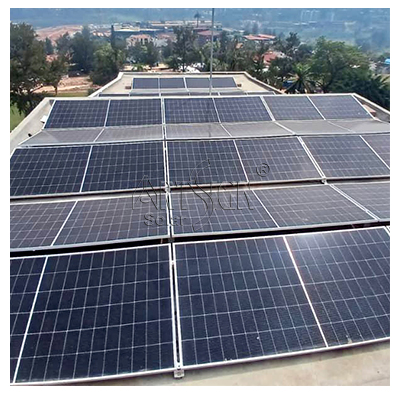
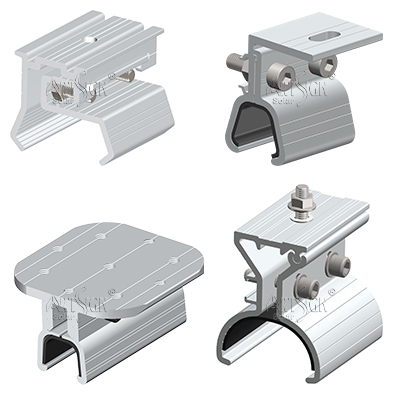
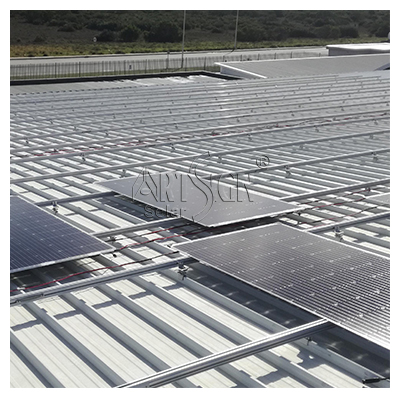
استكشف منتجات Artsignحوامل الألومنيوم للأسطح
السيناريو B: أنظمة التثبيت الأرضية واسعة النطاق
الفائز: فولاذ الزنك-الألومنيوم-المغنيسيوم (ZAM)
لماذا يهم ذلك: إنهياكل الطاقة الشمسية المثبتة على الأرض واسعة النطاق للمرافقوأنظمة مزارع الطاقة الشمسية تتطلب امتدادًا هيكليًا كبيرًا ويجب أن تتحمل أحمال الرياح والثلوج الشديدة. يوفر فولاذ ZAM الصلابة الهيكلية عالية القوة المطلوبة لأنظمة التتبع والأساسات الثابتة بتكلفة تنافسية للغاية لكل واط. بالنسبة لمشاريع الطاقة الكهروضوئية الزراعية، تتعرض الدعامات للتربة والرطوبة، وتضمن متانة ZAM الممتازة استخدامًا خاليًا من التلف لعقود.
نظام التثبيت الأرضي المصنوع من فولاذ ZAM
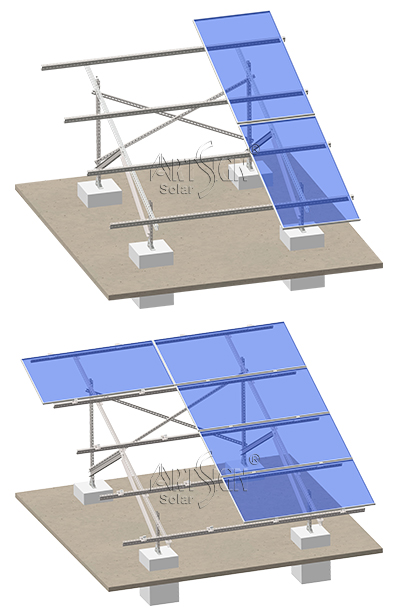
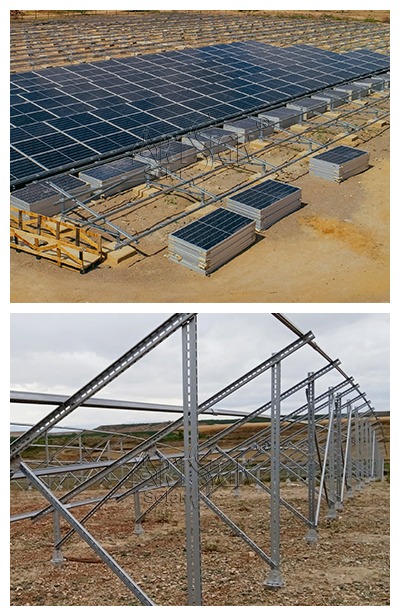
استكشف منتجات Artsignحوامل فولاذ ZAM للتثبيت الأرضي
السيناريو C: المناطق الساحلية عالية الملوحة والمناطق عالية الرطوبة
الفائز: يعتمد على نوع الهيكل
لماذا يهم ذلك: يصعب تكييف الفولاذ التقليدي المجلفن بالغمس الساخن في المناطق الساحلية بسبب التآكل المتسارع الناتج عن رذاذ الملح.
بالنسبة إلىهياكل الطاقة الشمسية للأسطح،يُعد الألومنيوم المؤكسد الخيار الأفضل. بالنسبة إلى المصفوفات الأرضية القريبة من المحيط، يُعد ZAM الخيار المثالي. عندما يتعرض فولاذ ZAM للخدش أو القطع أثناء التركيب الميكانيكي، فإن المغنيسيوم والألومنيوم في الطلاء يشكلان طبقة واقية كثيفة قائمة على الزنك تغطي الحواف المكشوفة، مما يؤدي تلقائيًا إلى "معالجة" التلف ومنع حدوث الصدأ.
3. الرؤية الهندسية: تحقيق التوازن بين العائد على الاستثمار (ROI) والعمر الافتراضي
بالنسبة لشركات EPC وموزعي الطاقة الشمسية، يتطلب تتبع العائد على الاستثمار (ROI) للمشروع تحقيق توازن بين ميزانية الشراء الأولية وتكاليف العمالة طويلة الأجل للتشغيل والصيانة (O&M).
يمكن للألومنيوم تقليل الوزن الهيكلي وخفض تكاليف النقل وساعات العمل في الموقع، مما يجعله الخيار الأعلى من حيث العائد على الاستثمار للتخطيطات السطحية المعيارية سريعة التركيب. يقلل فولاذ ZAM بشكل كبير من تكاليف المواد في المواقع المفتوحة واسعة النطاق للمرافق العامة، مع ضمان حماية من الصدأ دون الحاجة إلى صيانة. لا يمكن للفولاذ التقليدي تحقيق ذلك هنا.
بصفتنا شركة مصنعة لأنظمة تثبيت الطاقة الشمسية، لا نؤمن بحامل واحد يناسب الجميع. يستخدم فريقنا الهندسي عمليات محاكاة برمجية متقدمة لحساب حدود تحمل الرياح والثلوج بدقة استنادًا إلى قوانين البناء المحلية لديك، ومطابقة التوازن المثالي بين عناصر AL6005-T5 وZAM الهيكلية لقائمة المواد الخاصة بك (BOM).
لأي استفسار حول نظام تثبيت الألواح الشمسية، يرجى التواصل معنا،البريد الإلكتروني: sales@artsign.net.cnواتساب / وي تشات / سكايب: +008618030235875، شكرًا
Unit 301, No. 600 Guankou South Road, Jimei District, Xiamen, China
هاتف : 0086 592 6266951 0
Whatsapp :+8618030235875
بريد إلكتروني : sales@artsign.net.cn
Teams : Artsign Energy





 شبكة IPv6 مدعومة