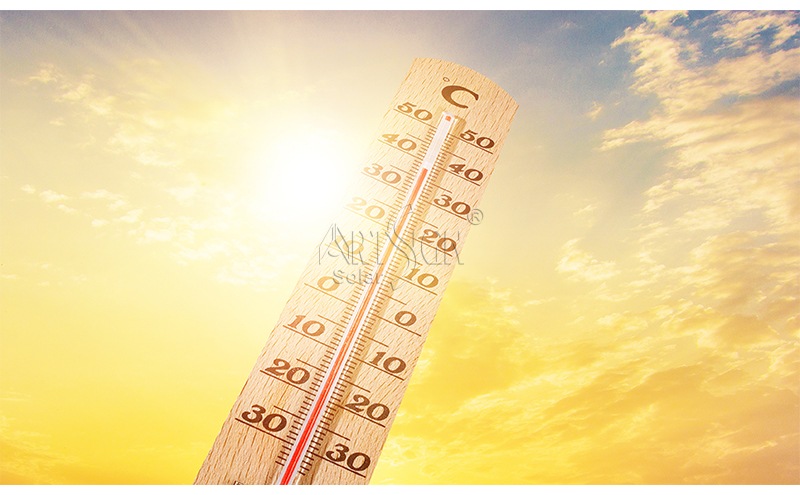
بلجيكا وهولندا وألمانيا سجلت أسعارًا قياسية مرتفعة للكهرباء بسبب موجة الحر الحالية في أوروبا وتداعياتها، حيث أفاد مزود معلومات السوق Montel بأن بلجيكا سجلت رقمًا قياسيًا تاريخيًا بلغ 1,038.25 يورو/ميغاواط ساعة للفترة الزمنية التي تبلغ 15 دقيقة والتي تبدأ عند الساعة 8:45 مساءً. تكشف أزمة الشبكة هذه عن مفارقة قاسية: فبينما تؤدي درجات الحرارة المرتفعة إلى وصول الطلب على تكييف الهواء إلى ذروته، فإن الحرارة الشديدة في الوقت نفسه تقلل من كفاءة الألواح الشمسية. ما التحديات التي يفرضها هذا الوضع على مورد مورد هياكل تركيب الطاقة الشمسية؟
ينبع الضغط الحالي على الطاقة من خلل أساسي في البنية التحتية للطاقة الشمسية: فالألواح الكهروضوئية حساسة للحرارة بشكل ملحوظ، وتعاني من تدهور حراري شديد مع ارتفاع درجات الحرارة. هذا القيد الفيزيائي يخلق عدم تطابق خطيرًا في شبكة الطاقة. ووفقًا لـ Montel، حدثت أكبر ارتفاعات الأسعار خلال ذروة المساء — في الوقت الذي تراجعت فيه توليدات الطاقة الشمسية بسرعة مع غروب الشمس، بينما ظل الطلب على التبريد مرتفعًا بشكل خطير. تُظهر البيانات أن الحمل المتبقي في ألمانيا ارتفع إلى 51.5 غيغاواط، مما ترك عجزًا قدره 10.4 غيغاواط فوق المستويات المعتادة. بدون ضوء الشمس ومع ارتفاع حرارة المعدات، اضطرت الشبكة إلى الاعتماد على توليد احتياطي مكلف وغير فعال.
للتخفيف من التدهور الحراري، يتطور دور هياكل تركيب الألواح الكهروضوئية من مجرد دعم ميكانيكي إلى إدارة نشطة للحرارة. يعيد مصنعو أنظمة التثبيت الثابت المبتكرة تصميم حوامل الطاقة الشمسية المعتمدة من TUV لتعظيم التهوية الطبيعية. ومن خلال تحسين زوايا الميل وزيادة الخلوص عن الأرض أو السطح، تعمل هذه الهياكل الجديدة على تفعيل "تأثير المدخنة (تأثير المداخن)" — مما يسمح بتدفق الهواء السلبي بالمرور أسفل الوحدات وخفض درجات حرارة الألواح بشكل ملحوظ.
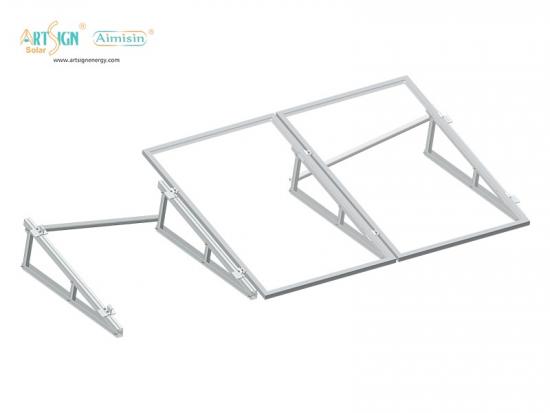
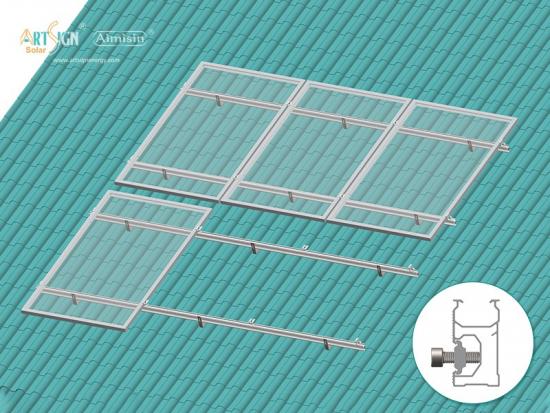
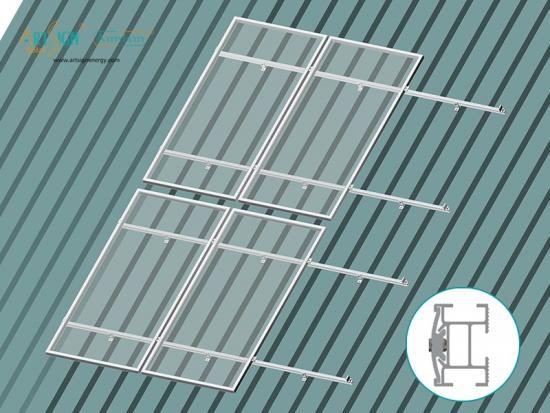
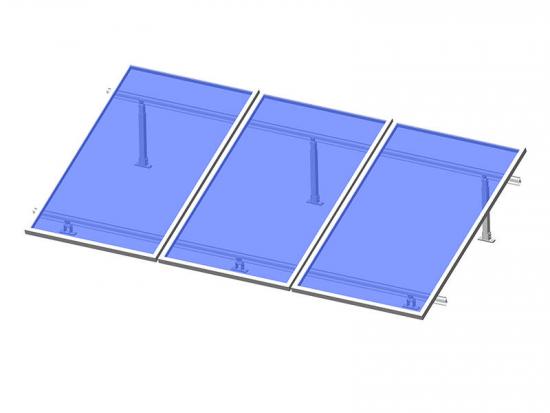
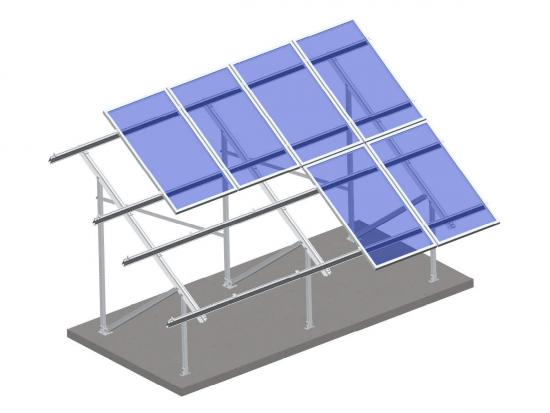
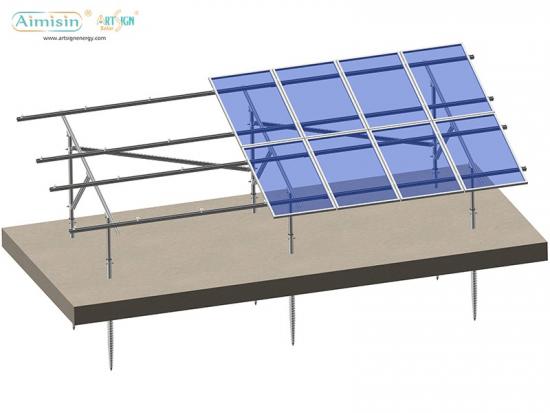
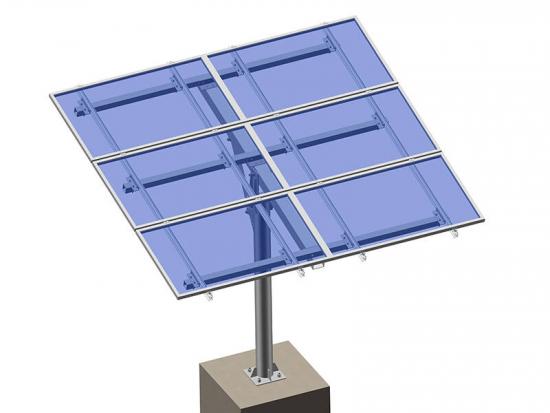
وبالتالي، عند تصميم أنظمة تركيب الطاقة الشمسية للسوق الأوروبية، ينبغي للشركات مراعاة ليس فقط الاستقرار الهيكلي ولكن أيضًا التبديد الفعال لحرارة الألواح. سواء كانت التطبيقات على الأسطح أو مثبتة على الأرض، يجب أن تتميز أنظمة التركيب بزوايا ميل محسّنة وخلوص كافٍ عن السطح أو الأرض لتعزيز تدفق الهواء والتهوية الطبيعية. بالإضافة إلى تلبية متطلبات أحمال الرياح والثلوج، ينبغي دمج الإدارة الحرارية في عملية التصميم، مما يمكّن فرق المبيعات من تقديم حلول أكثر تخصيصًا وسليمة من الناحية التقنية للعملاء الأوروبيين. على سبيل المثال، عند تصميم مشاريع الطاقة الشمسية المثبتة على الأرض والأسطح، تعتبر Artsign المسافة بين نظام التركيب وسطح الأرض أو السقف معلمة تصميم أساسية. لتحسين تبديد الحرارة خلال فترات الحرارة الشديدة، نوصي باستخدام أقدام L شمسية أطول للتركيب على الأسطح المعدنية أو المائلة لزيادة تدفق الهواء. أما بالنسبة للأسطح المسطحة، فإن الهياكل الفولاذية C أو أنظمة التركيب ذات زوايا الميل الأكثر حدة — مثل الأطقم المثلثة، أو الأرجل القابلة للتعديل، أو مجموعات الأرجل الأمامية والخلفية — توفر تهوية أفضل وأداء تبريد محسنًا.
علاوة على ذلك، لمعالجة العجز الحرج في طاقة المساء الذي أبرزته Montel، يتم تحسين الهياكل الثابتة لتناسب الوحدات ثنائية الوجه. ومن خلال إزالة التظليل الخلفي ودمج هندسات رفوف متخصصة، تسمح هذه التصاميم للألواح ذات الوجهين بالتقاط الضوء المحيط المنعكس من الأرض بكفاءة خلال فترات الذروة في أواخر بعد الظهر وبداية المساء. يعمل هذا التحسين الهيكلي على توفير كميات إضافية مهمة من الكيلوواط ساعة دون احتجاز الحرارة، مما يثبت أن الهندسة الفيزيائية الذكية يمكنها مكافحة خسائر الكفاءة الناتجة عن تغير المناخ بفعالية. وبالتالي، يمكن لمصنعي هياكل تركيب الطاقة الشمسية تطوير تصاميم مستهدفة مخصصة لـالوحدات الشمسية ثنائية الوجه ، مما يعالج طلب السوق الحيوي هذا بفعالية مع تقليل خسائر الكفاءة الحرارية.
مع أصبحت الظواهر الجوية القاسية أمرًا طبيعيًا جديدًا، أصبحت الحدود التقليدية بين الهندسة الكهربائية والدعم الهيكلي غير واضحة. يوضح "اختبار درجات الحرارة المرتفعة" أن مصنعي أنظمة تركيب الطاقة الكهروضوئية (PV) لم يعودوا مجرد موردي فولاذ عاديين، بل أصبحوا شركاء لا غنى عنهم في تحسين كفاءة الطاقة. وبالنظر إلى المستقبل، سيحصل المصنعون القادرون على دمج تقنيات التبريد السلبي وابتكار المواد وتحسين الوحدات ثنائية الوجه في الهياكل الثابتة على ميزة تنافسية في السوق الأوروبية. ومن خلال إعادة تصميم أنظمة التركيب للتعامل مع درجات الحرارة المرتفعة، ستلعب صناعة التركيب دورًا حاسمًا في ضمان استقرار الشبكة وإطلاق الإمكانات الكاملة للطاقة الشمسية من الجيل القادم.
لأي استفسار حول نظام تركيب الألواح الشمسية، يرجى التواصل معنا،البريد الإلكتروني:sales@artsign.net.cn,واتساب / وي تشات / سكايب: +86 18030235875، شكرًا.

Unit 301, No. 600 Guankou South Road, Jimei District, Xiamen, China
هاتف : 0086 592 6266951 0
Whatsapp :+8618030235875
بريد إلكتروني : sales@artsign.net.cn
Teams : Artsign Energy





 شبكة IPv6 مدعومة